Designing Places to Stay, Not Just Simply Places to Sleep
Hotel resort architecture is often discussed through images: a façade seen from the road, a carefully framed swimming pool, a bedroom opening onto a garden. But the more important qualities of a hotel are usually experienced differently.
They are found in the movement from street to lobby, in the transition from a bright exterior into shade, in the relationship between a private room and a shared space, and in the way a building allows visitors to understand something about the place they have travelled to.
For architects working in Chiang Mai, hotel resort architecture presents a particular question: how can a contemporary hospitality project respond to its surroundings without becoming a superficial interpretation of local character?
At NIWAT ARCHITECTS, this question can be explored through projects including Sela Hotel, Away Chiangmai Thapae Resort, and Na Sarand Boutique Hotel. Each project offers a different opportunity to consider the relationship between architecture, hospitality, and place.
Hotel Resort Architecture Begins with Context
A hotel does not exist independently from its location.
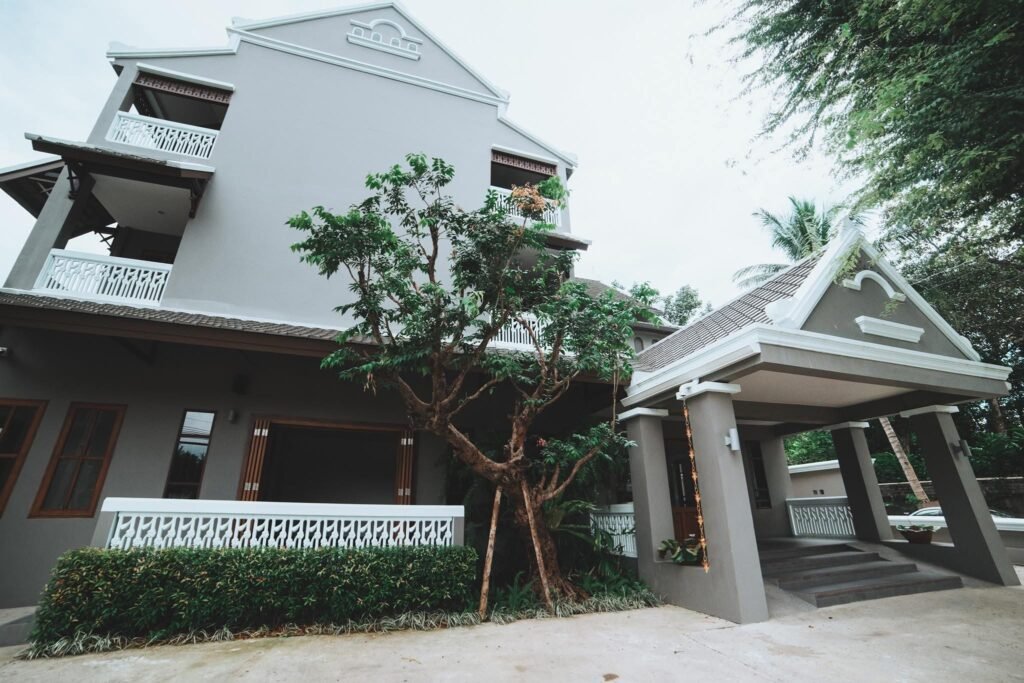
Unlike a private residence, a hospitality project receives people who may know very little about its surroundings. Architecture therefore becomes part of their first understanding of a destination.
In Chiang Mai, this relationship with context can be particularly important. The city contains layers of historic urban fabric, contemporary development, Lanna architectural traditions, mature vegetation, narrow streets, temples, markets, and neighbourhoods that have developed at very different scales.
Hotel resort architecture has to negotiate these conditions rather than simply reproduce an architectural style.
The question is not necessarily whether a building looks traditionally Lanna or distinctly contemporary. A more useful question is whether the architecture has understood the qualities of its setting: its scale, climate, movement, light, landscape, and relationship to everyday life.
This approach allows a hotel to feel connected to Chiang Mai without becoming a themed interpretation of it.
The Experience Between Arrival and Room
Hospitality architecture is experienced sequentially.
A guest rarely understands an entire hotel from a single viewpoint. Instead, the building is discovered through a series of thresholds: arrival, entrance, reception, circulation, shared spaces, outdoor areas, and finally the room.
These transitions matter.
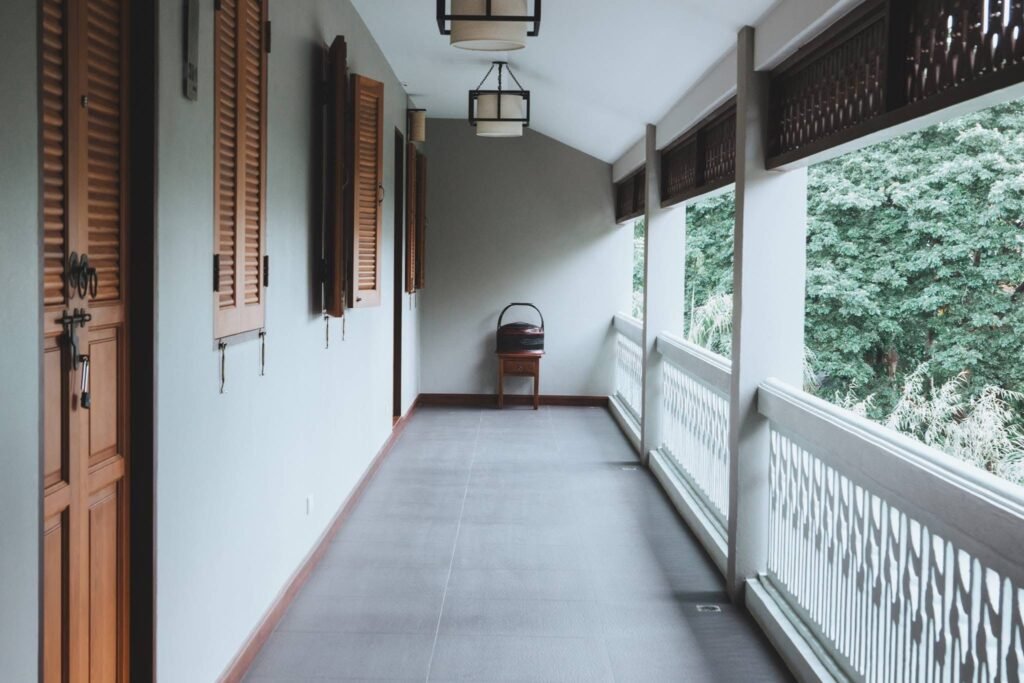
A narrow approach can create a different sense of arrival from an open courtyard. A shaded walkway can make movement through a building feel slower and more comfortable. A framed view can reveal a garden gradually rather than presenting everything at once.
Good hotel resort architecture therefore considers movement as carefully as the individual spaces themselves.
The experience of a hotel is not only the room. It is the sequence connecting one space to another.
Away Chiangmai Thapae Resort: Architecture and the Hospitality Experience
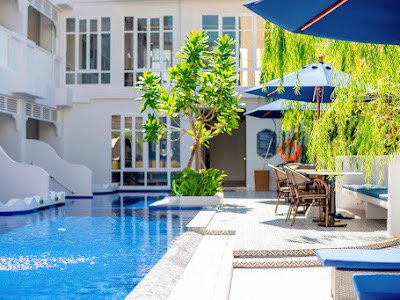
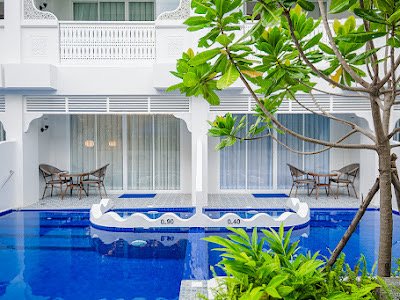
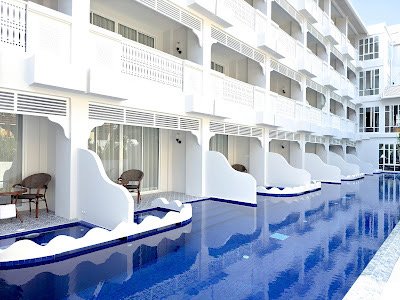
The Away Chiangmai Thapae Resort projects provide an opportunity to consider hospitality architecture within the historic and highly active Thapae area of Chiang Mai.
A resort within an urban context has a different relationship with its surroundings from a destination resort surrounded by open landscape. The building must create a sense of retreat while remaining connected to the city outside.
This creates an interesting architectural tension.
Guests arrive in an urban environment but expect the hotel to provide a degree of calm and separation. The architecture therefore has to establish its own internal atmosphere without completely disconnecting itself from the character of Chiang Mai.
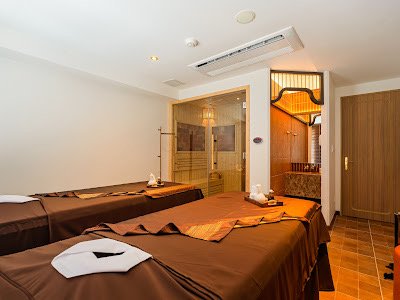
The first Away Chiangmai Thapae Resort project and its later development also demonstrate how hospitality architecture can evolve over time. The second project introduces additional functions associated with the guest experience, including spa and yoga spaces.
Rather than viewing these spaces as separate additions, they can be understood as part of a wider question about how a hotel supports different rhythms of occupation.
A guest may move from an active public environment into a quieter space for rest, treatment, or reflection. Architecture provides the transitions between these states.
Sela Hotel: Creating a Sense of Place Through Space
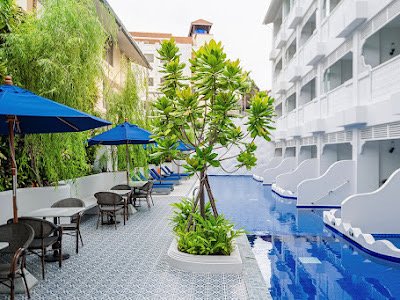
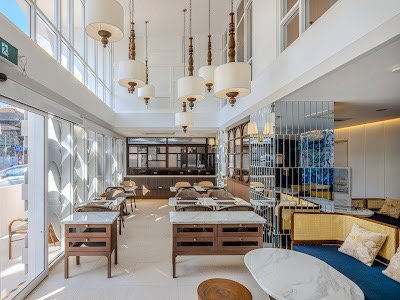
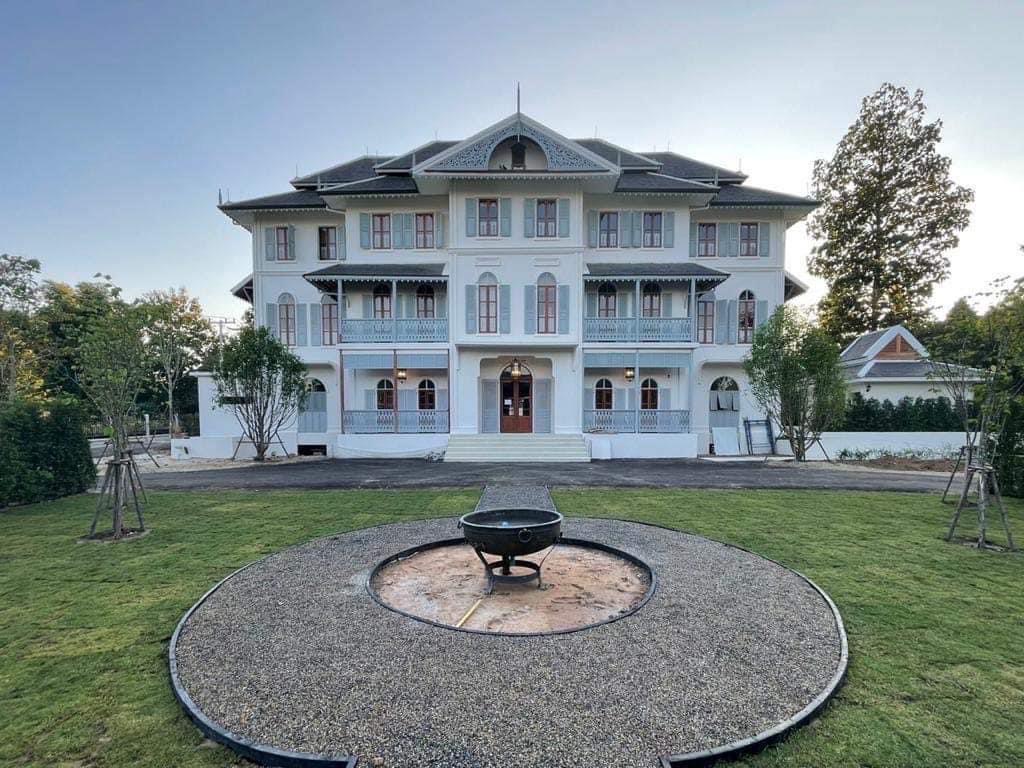
Sela Hotel offers another perspective on hotel resort architecture within Chiang Mai.
The name of a hotel may be part of its identity, but architecture communicates that identity through physical experience.
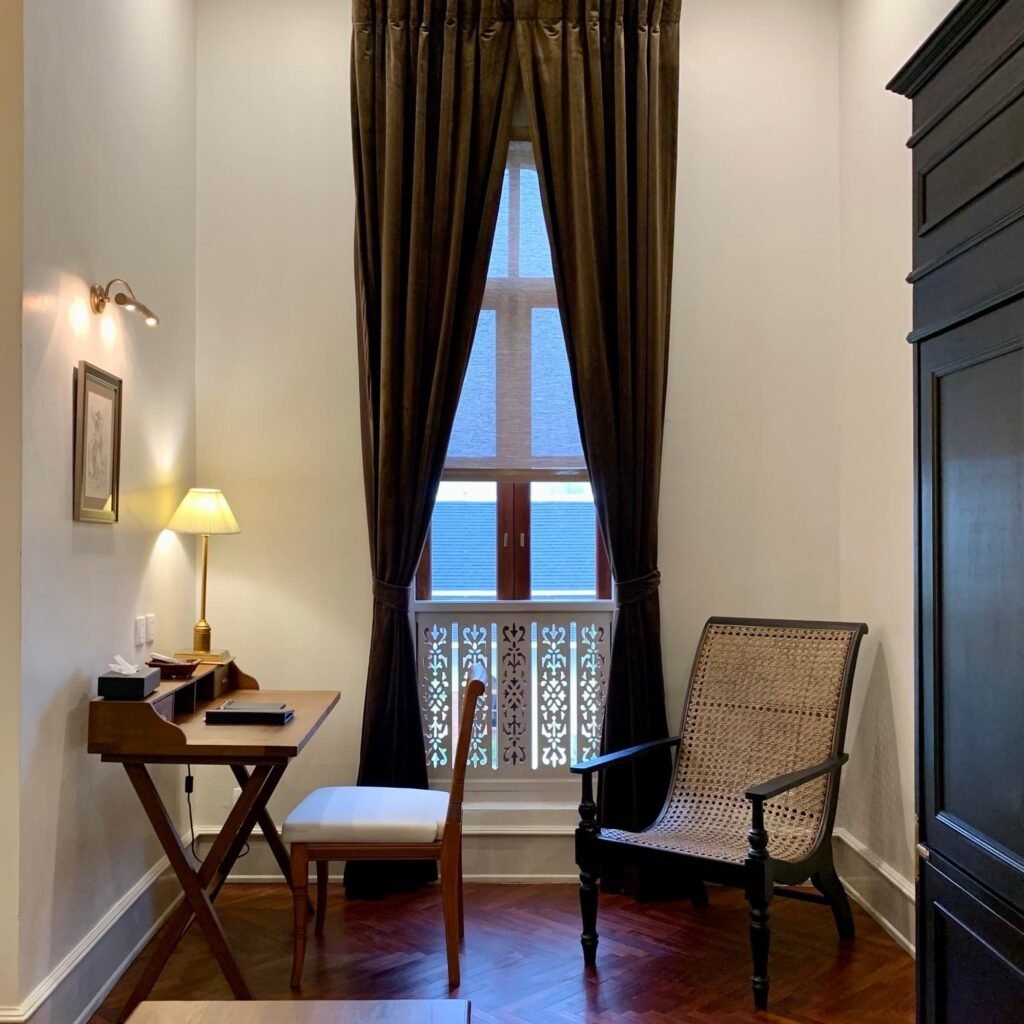
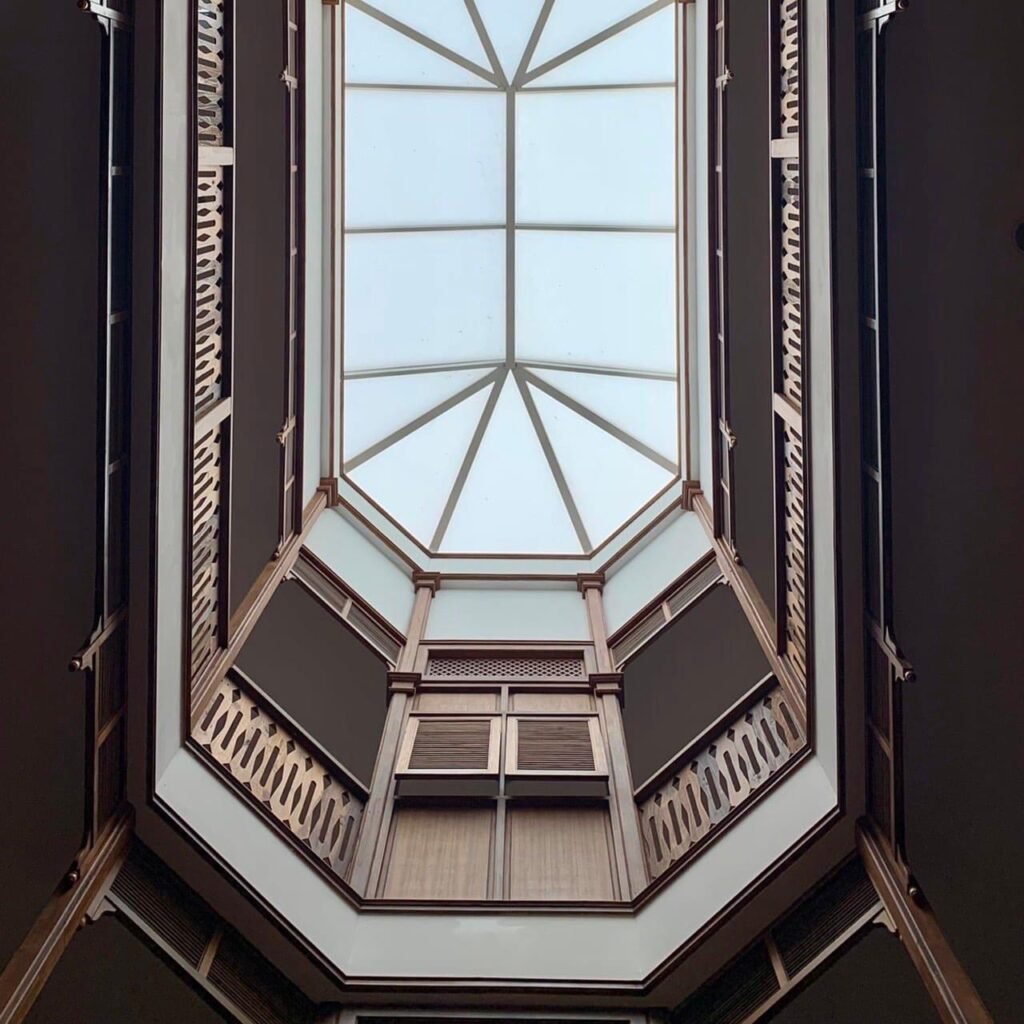
Scale, proportion, openings, circulation, landscape, light, and material relationships all influence how a guest remembers a place.
This is particularly important in boutique hospitality, where the architectural environment can become inseparable from the identity of the hotel.
Rather than relying entirely on decorative references, architecture can create a sense of place through the way spaces relate to one another.
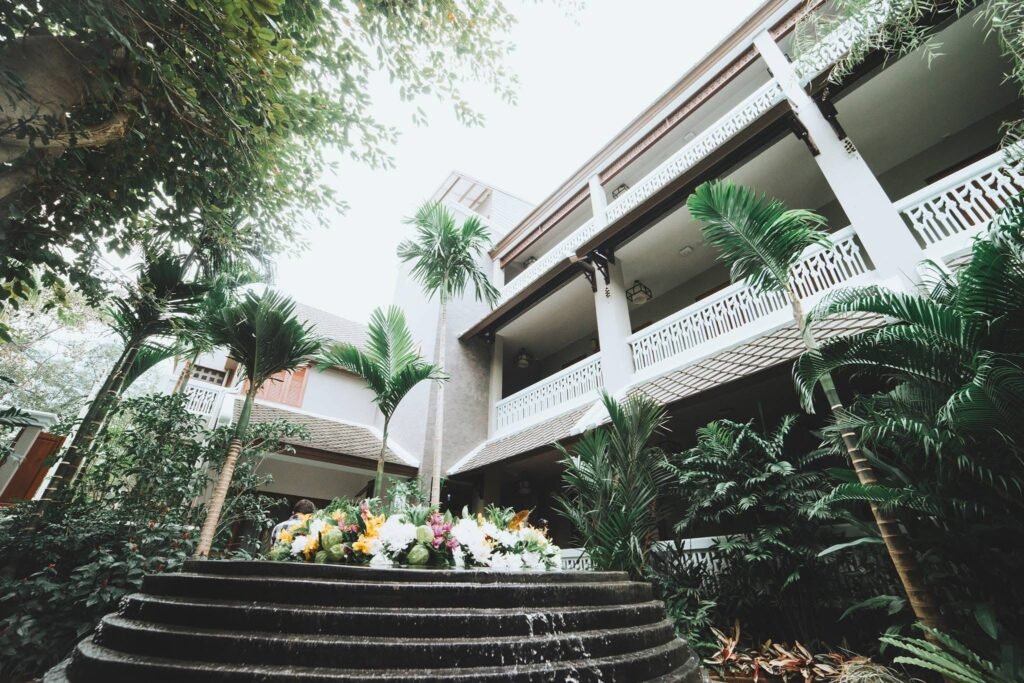
A courtyard can become a moment of orientation. A shaded exterior can become a place to pause. A carefully positioned opening can connect an interior space with vegetation or sky.
These are relatively quiet architectural decisions, but they can have a lasting effect on how a guest experiences the building.
Na Sarand Boutique Hotel and the Scale of Hospitality
Boutique hotels introduce another consideration: intimacy.
Large hotels can accommodate multiple public functions and circulation systems while maintaining separation between different activities. Smaller hospitality projects have fewer spaces, which makes proportion and transition particularly important.
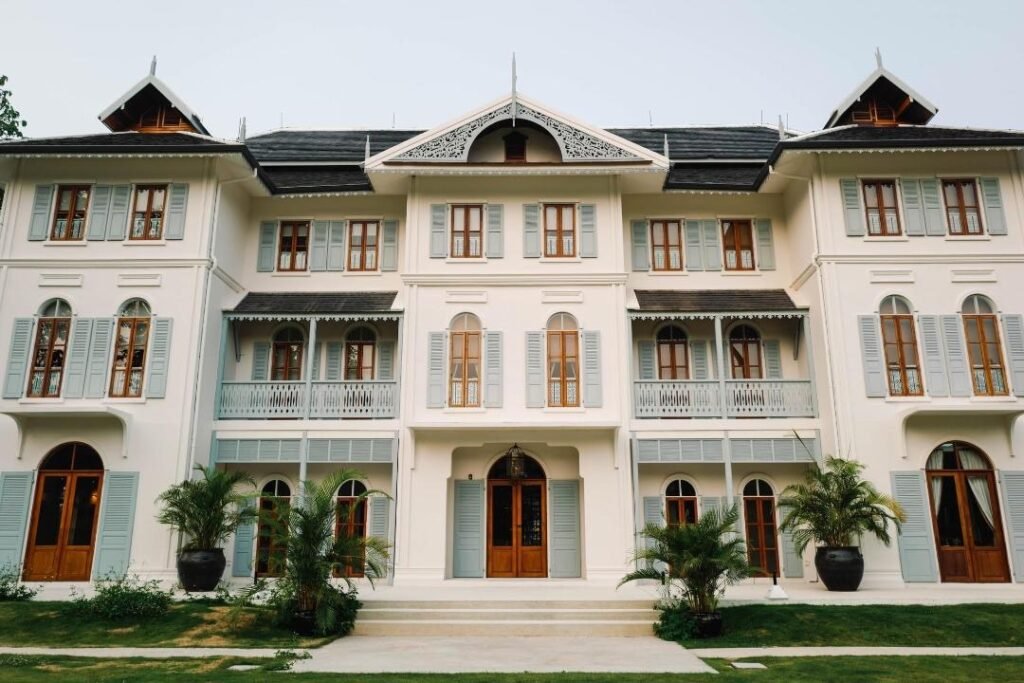
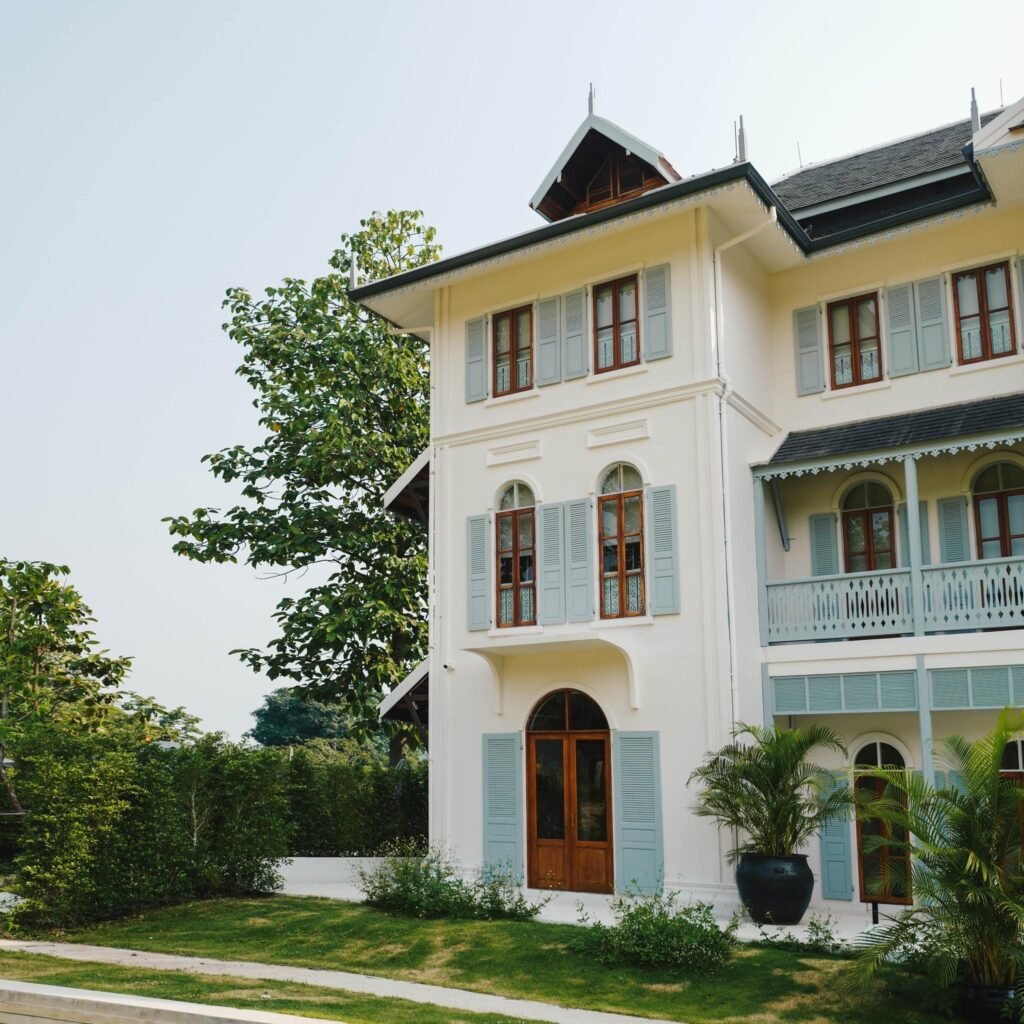
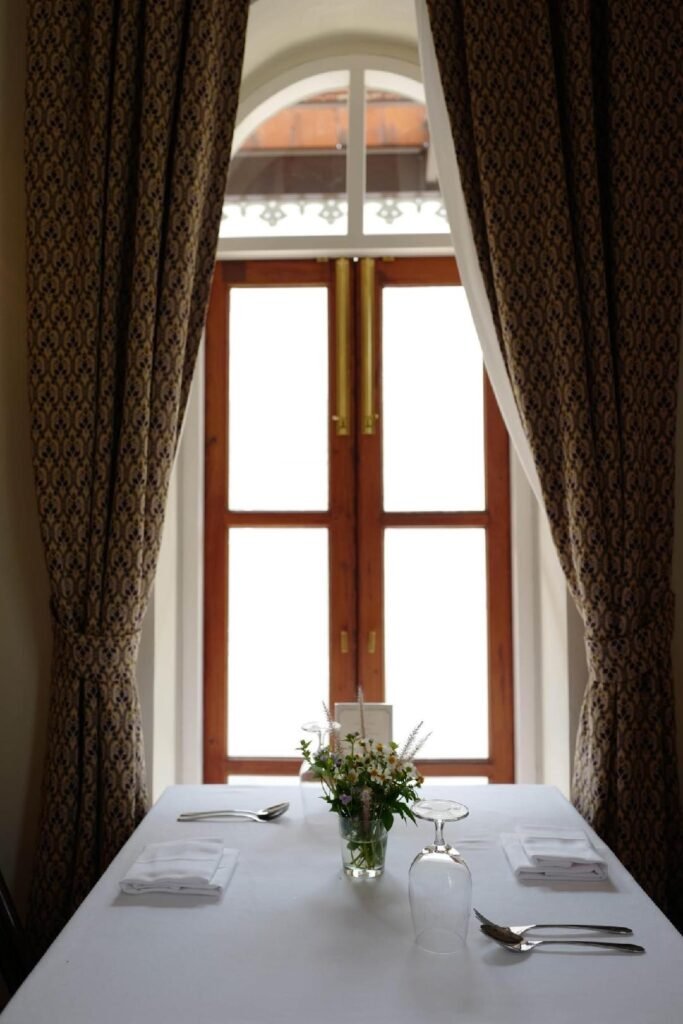
Na Sarand Boutique Hotel can be considered within this broader question of how hospitality architecture creates a sense of intimacy.
The challenge is to provide the practical requirements of a hotel while maintaining an environment that does not feel anonymous.
This is where architectural scale becomes important.
A hotel room may be private, but the journey toward it passes through shared territory. Corridors, stairs, courtyards, gardens, entrances, and gathering spaces become intermediate zones between public and private life.
These spaces do not necessarily need to be large.
Often, their importance comes from how carefully they are proportioned and connected.
Climate Is Part of the Architecture
Hotel resort architecture in northern Thailand also has to respond to climate.
Heat, sunlight, rainfall, humidity, and seasonal changes influence how buildings are occupied. These conditions are not simply technical problems to be solved after the architectural design has been established.
They can shape the architecture itself.
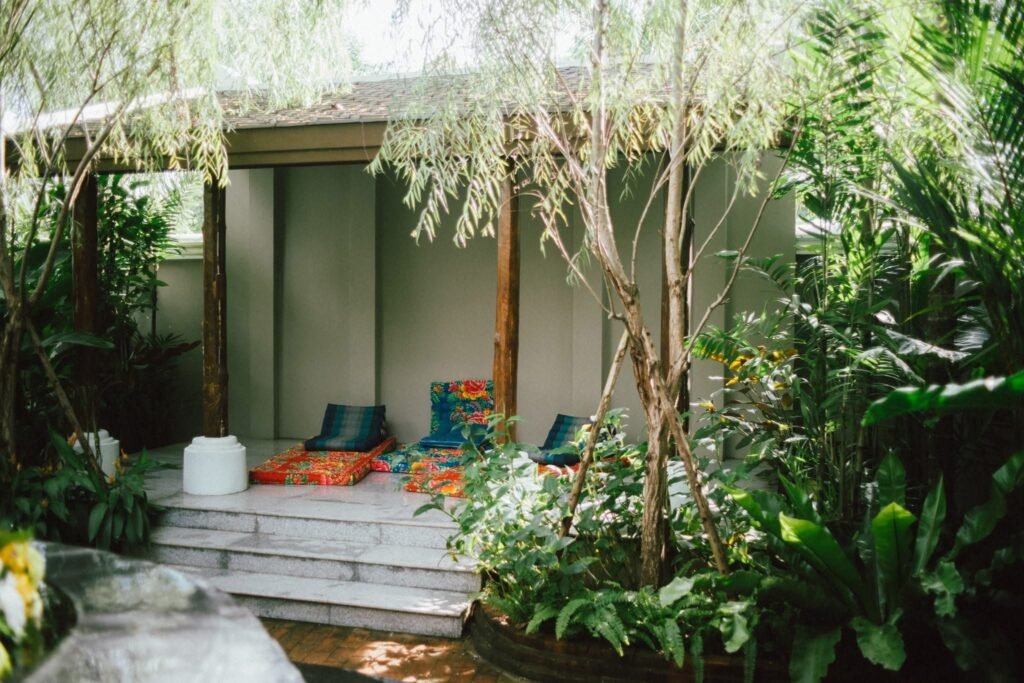
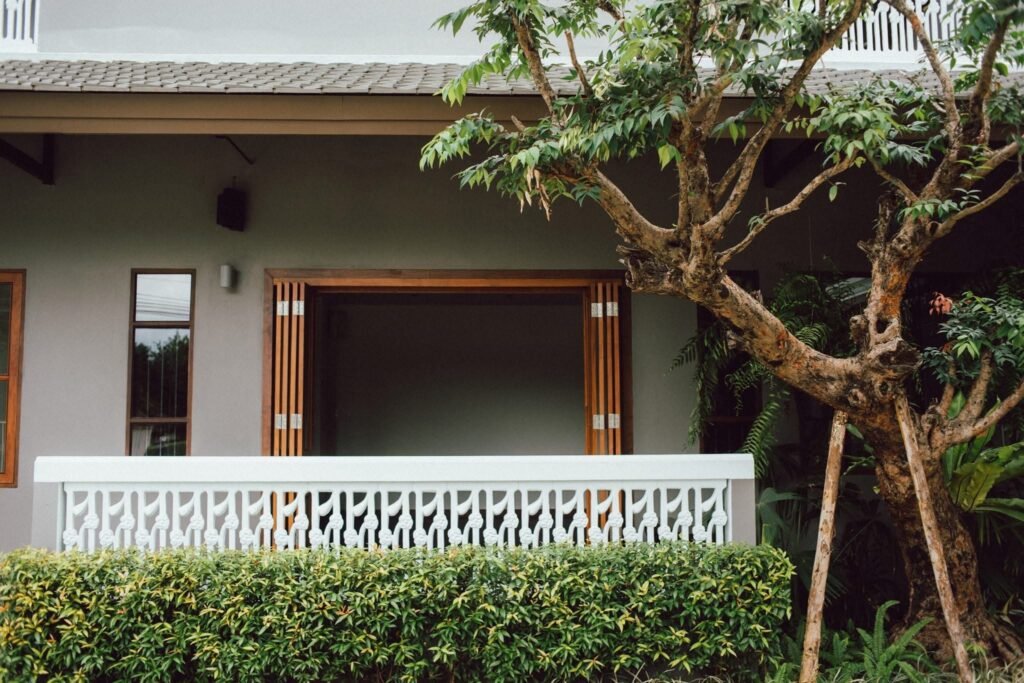
Shade can determine where people choose to sit. Openings can influence ventilation and views. Covered transitions can make movement between indoor and outdoor spaces more comfortable. Landscape can contribute to the atmosphere of a space while helping establish a softer relationship between building and site.
The result is architecture that is experienced differently throughout the day.
Morning light may reveal one quality of a space. The stronger sun of the afternoon may shift the importance toward shade. In the evening, the relationship between interior light and the surrounding landscape changes again.
For hospitality architecture, these changes are significant because guests experience the building throughout the day rather than at a single moment.
Beyond a Hotel Building
The most successful hotel resort architecture does more than contain bedrooms and amenities.
It creates a framework for experience.
Guests arrive with expectations about Chiang Mai, but architecture can influence what they actually notice. It can create moments of stillness within an active city, frame views that might otherwise be overlooked, introduce landscape into daily routines, or create a gradual transition between the hotel and its surroundings.
This is why context should be understood as more than visual appearance.
A building does not necessarily belong to a place because it copies its traditional forms. It can belong because it understands how people move, how climate affects occupation, how spaces are shaded and ventilated, how landscape is experienced, and how architecture sits within the scale of its surroundings.
Designing for the Memory of a Place
A hotel stay is temporary, but the experience of the building can remain with a visitor.
Long after returning home, a guest may remember the quietness of a courtyard, the quality of light in a corridor, the view from a room, or the feeling of moving between an interior and an outdoor space.
These memories are rarely produced by one architectural element.
They emerge from the accumulation of small decisions.
This is ultimately where hotel resort architecture becomes more than hospitality development. It becomes an exercise in shaping experience and creating a relationship between visitor and place.
For Chiang Mai, that relationship is particularly valuable.
The city does not need hotels that merely look like Chiang Mai. It needs architecture that understands the qualities that make the city distinctive and translates them into spaces that people can actually experience.
At NIWAT ARCHITECTS, projects such as Sela Hotel, Away Chiangmai Thapae Resort, and Na Sarand Boutique Hotel provide different contexts through which to explore this relationship between hospitality, architecture, and place.
The idea worth remembering is simple: a hotel is not only where a traveller stays. It becomes part of what they remember about where they have been.